




Automotive Wiring Harnesses Connectors Failures and Solutions
Automotive Wiring Harnesses Connectors Poor Contact
- Symptoms: Intermittent wiring harness signals, flickering lights, etc., in the electrical system.
- Causes:
- Terminal oxidation, corrosion, or contamination.
- Loose or deformed connector pins/sockets.
- Micro-motion wear on terminals due to prolonged vibration.
- Solutions:
- ○Clean terminals with electronic cleaner spray and dry thoroughly.
- ○Verify terminal seating; re-crimp with specialized tools or replace connectors as needed.
- ○Secure connections post-mating with appropriate retaining clips or cable ties.
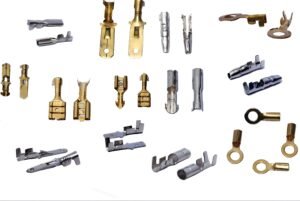
自動車 ワイヤーハーネス コネクター Short Circuits
- Symptoms: Blown fuses, overheating wiring harnesses.
- Causes:
- Damaged insulation causing conductor contact shorts.
- Water ingress inside the connector causing a short circuit.
- External compression or abrasion exposing wires.
- Solutions:
- Inspect the wiring harness for exposed insulation and add protective sheathing or re-wrap.
- Replace damaged wire sections to restore insulation.
Automotive Wiring Harnesses Connectors Open Circuit
- Symptoms: No response from electrical system connections.
- Causes:
- Internal wire breakage due to excessive bending, vibration, or aging.
- Terminal pins loosened.
- Connector not fully seated or latch failure.
- Solutions: Locate break points segment by segment using a multimeter continuity test.
- Verify internal terminals are fully inserted and confirm retention force with a “one-pull” test.
- Recrimp or replace broken wires/terminals.
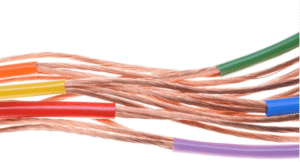
Automotive Wiring Harnesses Connectors Insulation Damage
- Symptoms: Current leakage, intermittent system failures, abnormal grounding.
- Causes: Insulation aging/cracking due to high temperatures, oil contamination, or chemicals.
- Mechanical friction, animal bites.
- Solution: Visually inspect harness outer sheath for cracks, hardening, or damage.
- Apply insulating tape for localized repairs; replace entire harness segment if severe.
- Add corrugated tubing or braided sleeves to high-wear areas.
Automotive Wiring Harnesses Connectors Terminal Corrosion/Oxidation
- Symptoms: Increased contact resistance, insufficient power supply to equipment.
- Causes:
- Moisture ingress (e.g., water vapor, salt spray) into connectors.
- Aged or damaged connector seals.
- Solutions:
- Disassemble connectors and gently clean terminal surfaces with fine sandpaper or cleaning agents.
- Replace seals and ensure waterproof caps are securely fastened after reassembly.
- In humid environments, use gold-plated terminals or apply conductive anti-corrosion grease.
Automotive Wiring Harnesses Connectors Damage
- Symptoms: Cracked plug housing, broken latches, bent pins.
- Causes:
- Excessive force or improper tools during installation/removal.
- Connector aging due to high temperatures in the engine compartment.
- Solutions:
- Replace damaged housing or connector.
- Insert/remove connectors in the correct direction without excessive force.
- Use connectors made of heat-resistant materials in high-temperature environments.
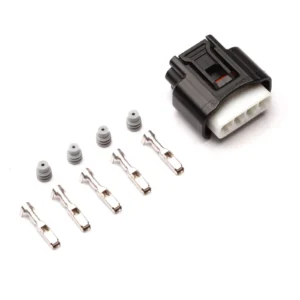
Automotive Wiring Harnesses Connectors : Terminal Dislodgement
- Symptom: Circuit interruption despite intact wiring harness appearance.
- Cause: Insecure terminal crimping or terminal pushed back during mating.
- Secondary locking mechanism failed to engage.
- Solution: Use a probe or microscope to verify terminal seating.
- Recrimp ensuring audible “click” confirmation and validate with pull-back test.
- Inspect integrity of connector secondary locking mechanism.
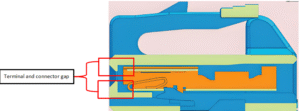
Preventive Measures for Automotive Wiring Harnesses Connectors
Basic Testing
- Insertion/Extraction Force: Test connector insertion/extraction force, standard range 10–50N.
- Visual Inspection: Check insulation aging, seal deformation, monitor harness displacement.
- Electrical Testing: Multimeter resistance measurement: >0.5Ω indicates poor contact.
- Vibration Testing: Monitor instrument signal changes while shaking the connector.
Professional Inspection
- Oscilloscope Analysis: Capture CAN bus signal distortion to diagnose intermittent faults.
- Retractable Probe: Check terminal voltage without disconnecting the connector.
- Infrared Thermal Imaging: Locate abnormal hot spots.
結論
Automotive wiring harness connector failures result from a complex interplay of electrical, mechanical, and environmental factors.
ジンハイ は、カスタマイズされたワイヤーハーネスソリューションを専門とするグローバルメーカーです。先進的な製造設備と厳格な生産/プロセスプロトコルを有し、以下を厳守しています。 IATF16949 そして ISO9001 品質管理システム。.
プロジェクトの成功を加速させるためにJinHaiをお選びください。ジンハイはお客様のプロジェクトと共に成長します!